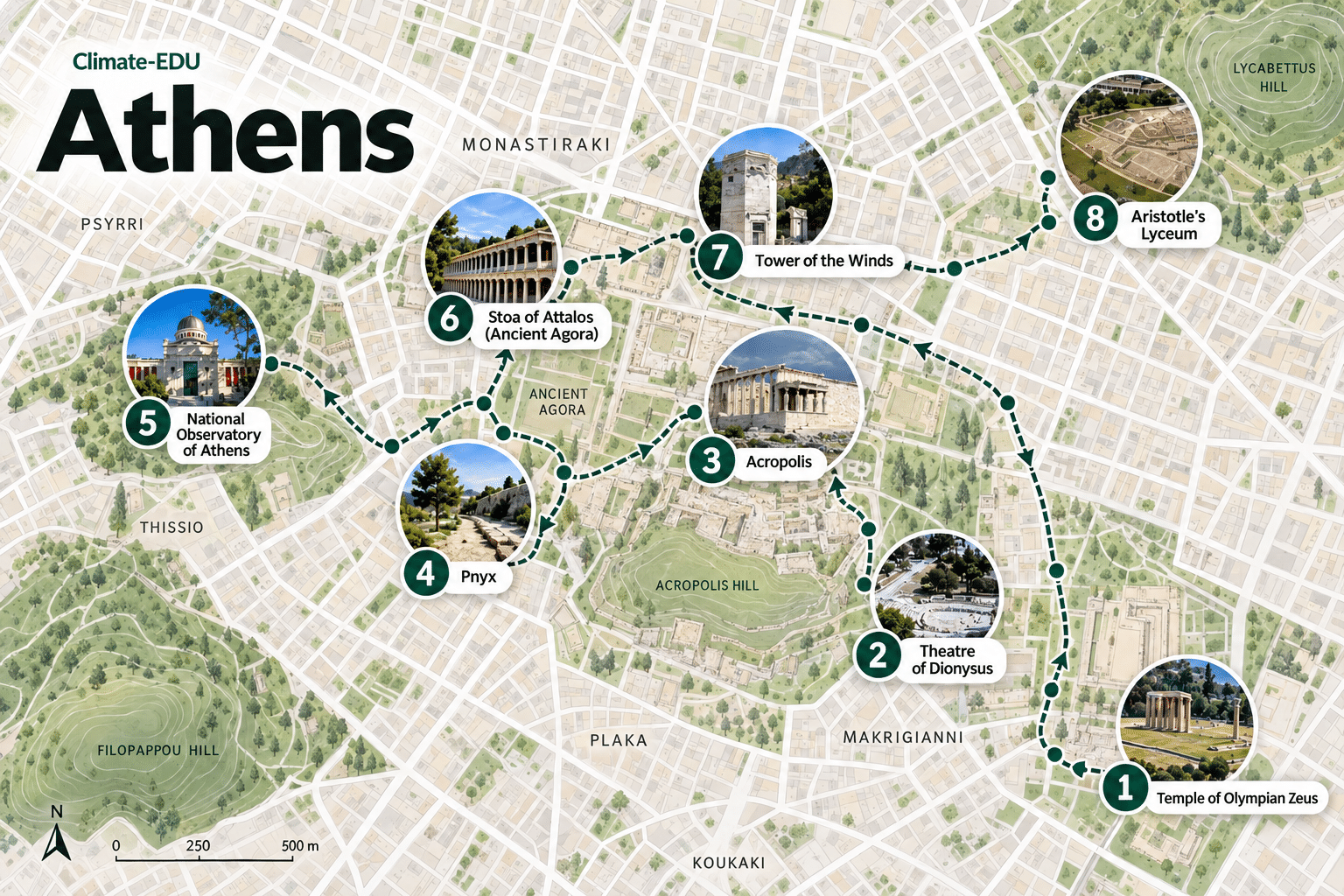
-
 STOP 01
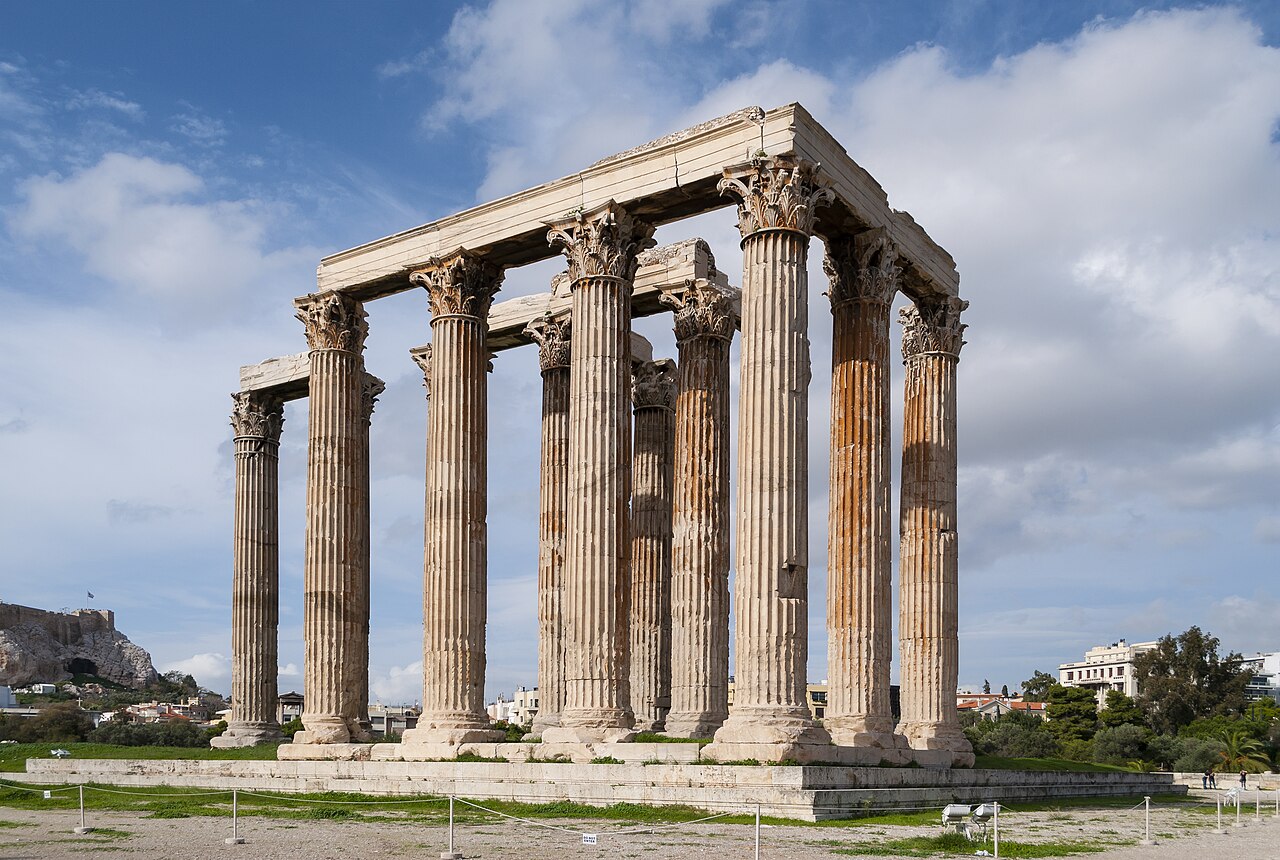
Temple of Olympian Zeus
When the weather left its mark
One of the largest temples of the ancient world. Of its 104 imposing Corinthian columns, only 16 remain standing today. Another lies fallen, a striking reminder of the power of the weather.
Did you know...A powerful storm toppled one of the temple’s columns in 1852. It remains on the ground to this day?View on the route map -
 STOP 02
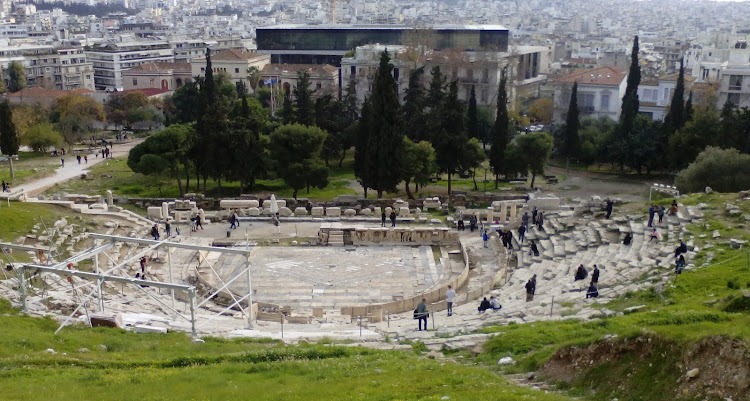
Theatre of Dionysus
The world’s oldest theatre, beneath the Athenian sky
The performance comes to life under the open sky. The theatre's southern exposure protected it from cold notherly winds, but left it more exposed to the summer sun..
Did you know…The theatre's orientation directly affected its exposure to wind and solar radiation?View on the route map -
 STOP 03
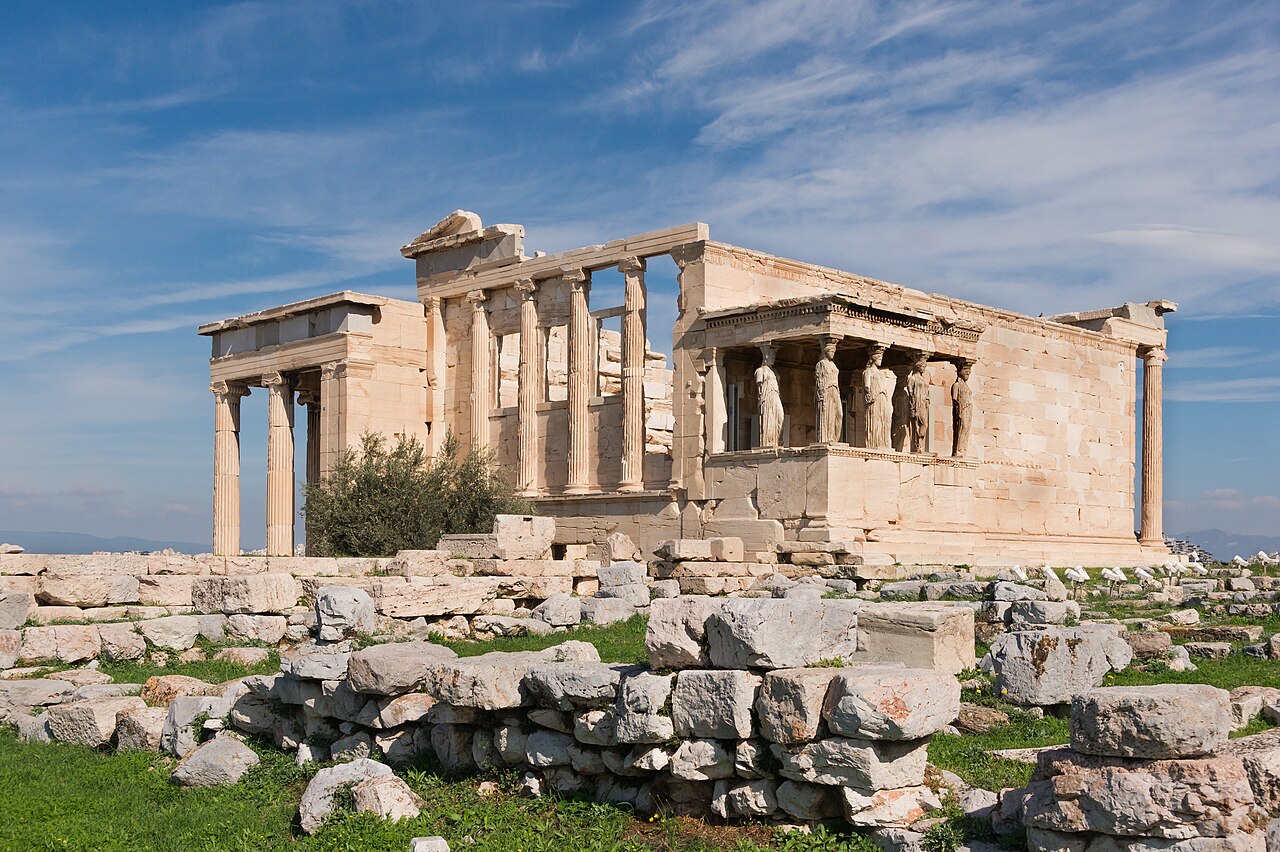
Erechtheion — Acropolis
From sacred signs of the gods to modern heatwaves
At the Erechteion,myth,landscape and weather come together in the traces of the legendary contest between Athena and Poseidom. Today, the sky above the Acropolis tells a different story-one of extreme heat and climate change.
Did you know…On 13 June 2024, the temperture in Athens reached 41.2°C?View on the route map -
 STOP 04
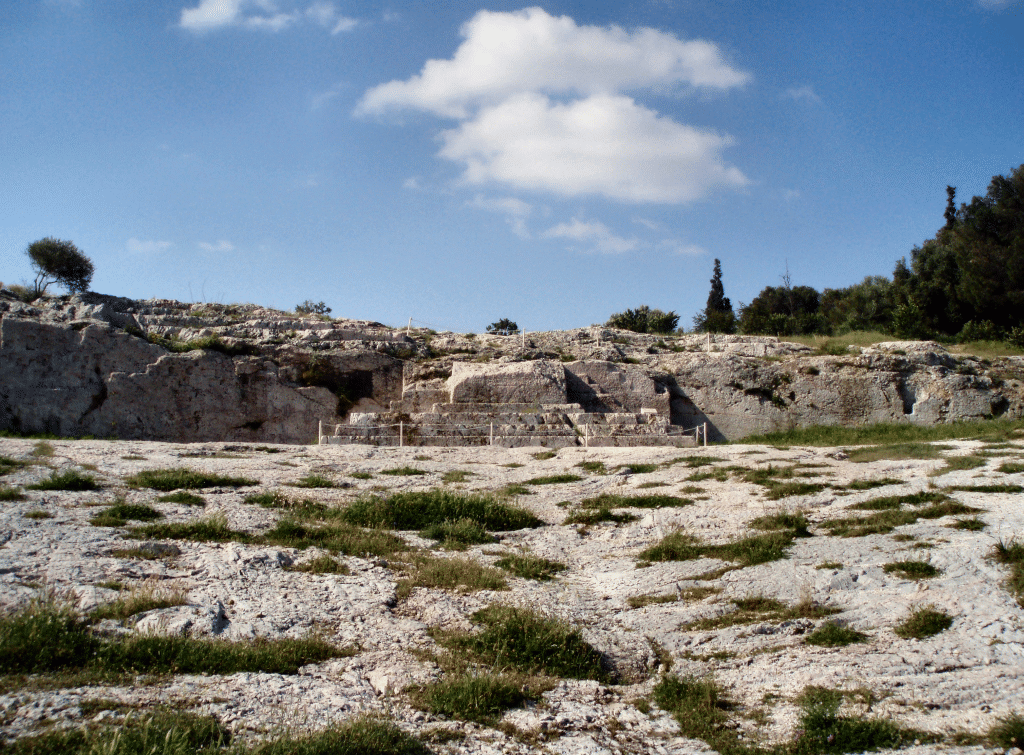
Pnyx
Where weather met democracy
The meetings if the Assembly were held under the open sky and could be postponed because of bad weather. In the same area,observation of the sky gradually begann to shift from myth towards systematic knowledge.
Did you know…Parapegmata were among the earliest forms of public weather forecasting?View on the route map -
 STOP 05
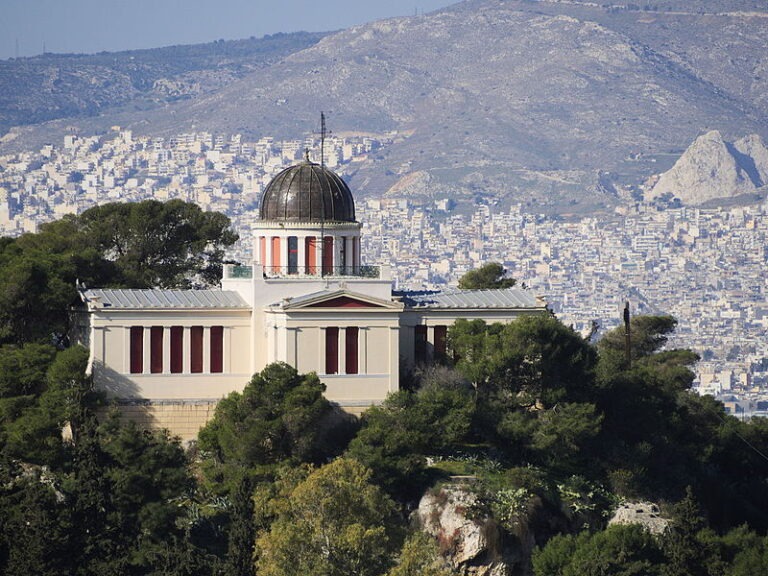
National Observatory of Athens
From observation to forecasting
Built in 1842 on the Hillof the Nymphs, the Observatory marked a new era in the systematic study of the sky and weather. Its long-term records reveal how Athens'climate has changed over time.
Did you know…The National Observatory of Athens has more than 130 years of continuous meteorological observations?View on the route map -
 STOP 06
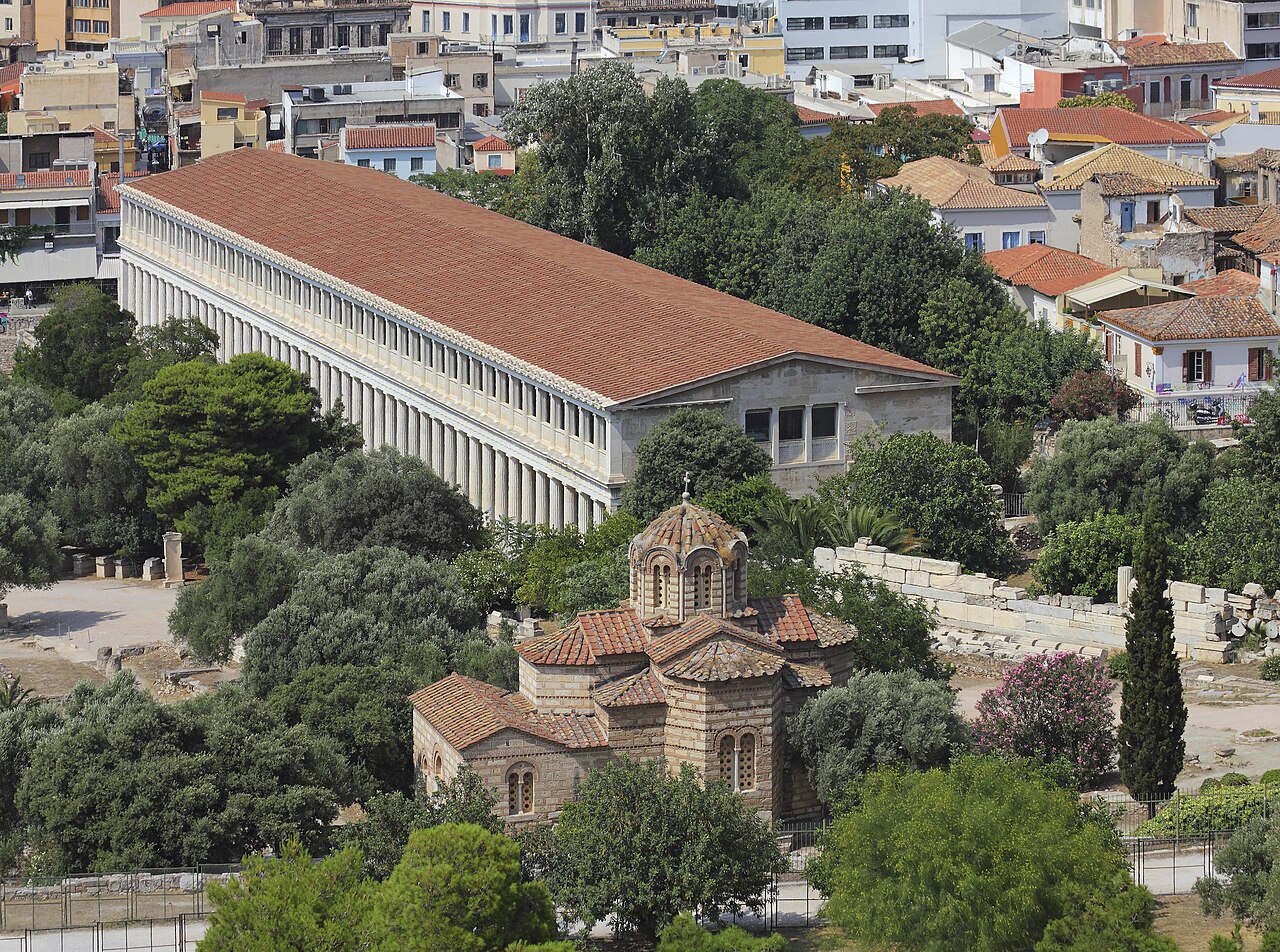
Stoa of Attalos (Ancient Agora)
From sky calendars to public weather information
The stoa was part of the public life of the Agora and offered protection from the sun and rain.At the Pnyx or in the nearby Agora, parapegmata were probably displayed-calendars that linked atronomical observations with seasonal phenomena.
Did you know...Observations of the sky and the seasons became a form of public information through the parapegmata?View on the route map -
 STOP 07
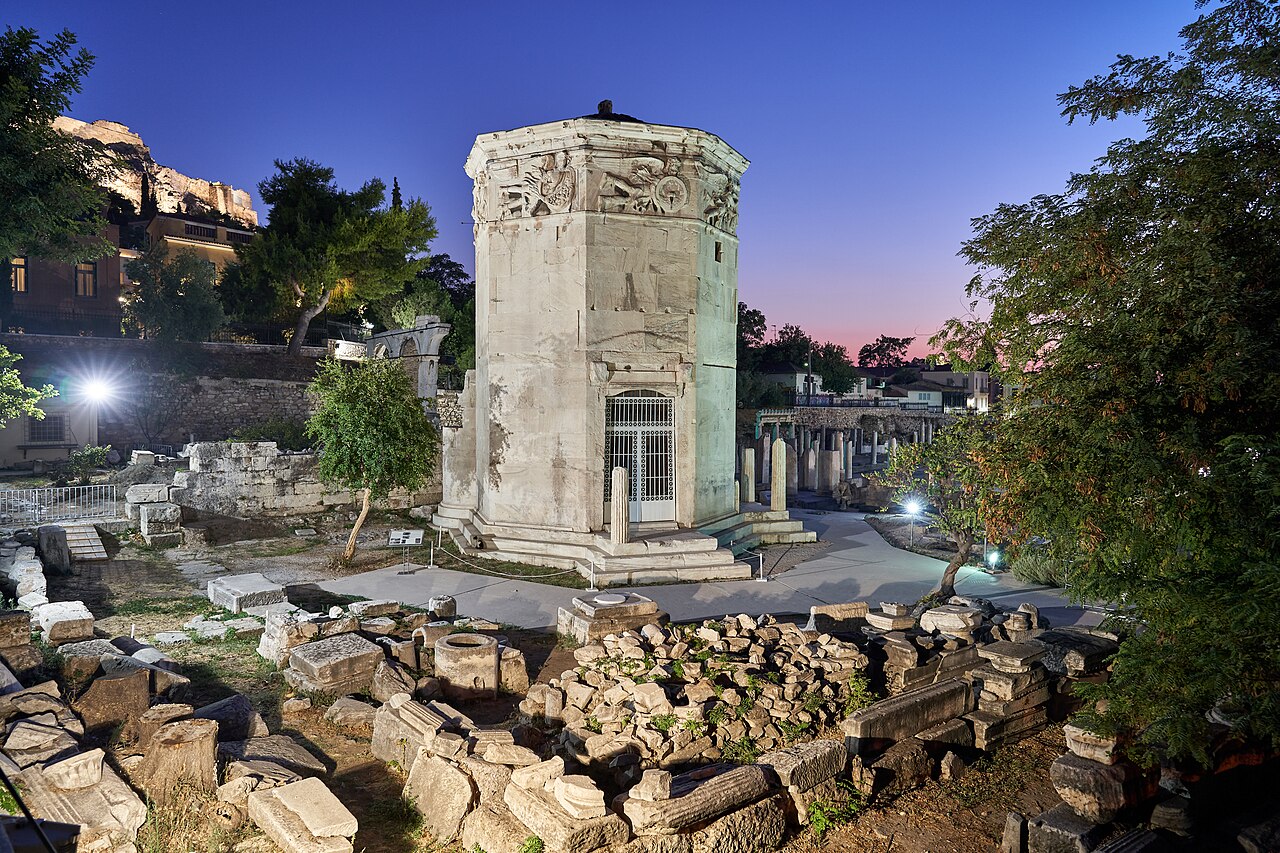
Tower of the Winds
A 2,000-year-old weather station
The octagonal Horologion of Andronikos combined a sundial, a water clock and a wind vane. Its eight sides depict the winds of ancient tradition, each associated with its own direction and weather characteristics..
Did you know...The eight sides of the Tower of the Winds correspond to the eight winds of ancient tradition?View on the route map -
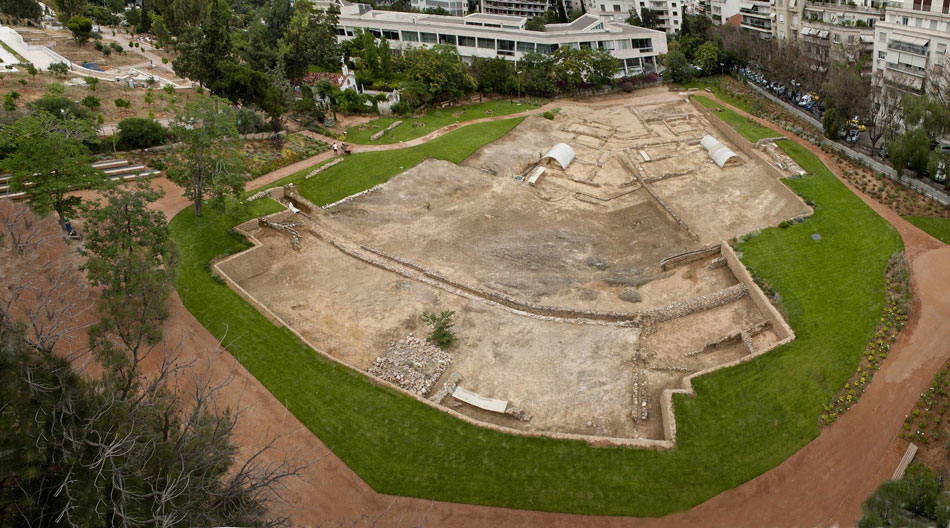 STOP 08
Aristotle’s Lyceum
Where weather became science
At the Peripatetic School, knowledge was closely linked to discussion,observation and walking.In his work Meteorologica, Aristotle made one of the earliest systematic attempts to study weather and natural phenomena..
Did you know…Aristotle wrote Meteorolodica around 340 BC?View on the route map